
Mastopexy with implants
 Dr. Rodrigo Jorrat · Plastic surgeon · Buenos Aires · Lic. MN 122903Last updated: October 8, 2026
Mastopexy lifts and repositions the breast. When there has also been a marked loss of volume and the bust feels empty, adding an implant allows shape and projection to be recovered. It isn't about achieving volume: it's about proportion.

Who it's for
Patients with ptosis (a dropped breast) and little tissue of their own, who want to recover projection. If there is enough tissue and no extra volume is wanted, the option may be a mastopexy without implants or with auto-augmentation.
How it's done
The gland and the nipple-areola complex are repositioned, excess skin is removed and the implant is placed in the plane best suited to your anatomy. Size and profile are chosen together, with measurements and expectations on the table.
Scar and recovery
Scars may be around the areola, vertical or extend along the fold (T or L). Today I favour short-scar techniques hidden by the bra when anatomy allows. Recovery includes a post-surgical bra and check-ups; the implant requires long-term follow-up.
What we discuss beforehand
Degree of ptosis, available tissue, what proportion you want, and the fact that tissues keep changing with time, weight and pregnancies: surgery at 40 may need a revision years later.
The YouTube chapter on this topic

Real cases of this procedure
Patients I treated, published with their consent. Drag the divider to compare.
Implant removal combined with mastopexy
Implant removal and tissue reshaping in a single procedure. See on Instagram
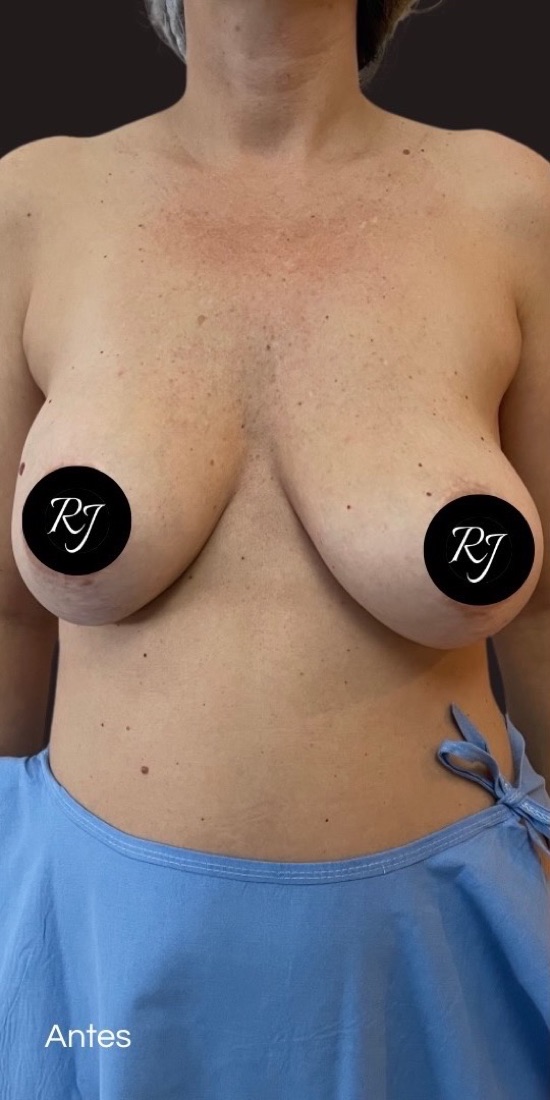
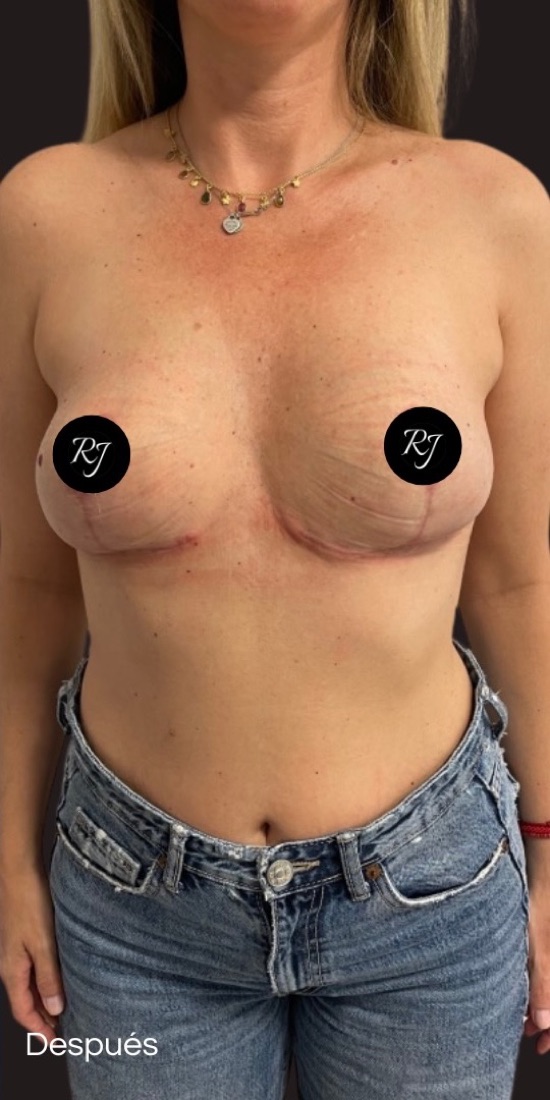 BeforeAfter
Images published with each patient's written consent. Results vary from person to person and are not a guarantee for other patients.
Frequently asked questions
Are implants always needed to lift the breast?
No. It depends on the available tissue and the volume you want. There's mastopexy without implants and auto-augmentation with your own tissue.
What scar is left?
Periareolar, vertical or along the fold (T or L), depending on the degree of descent. A shorter scar doesn't automatically mean a better surgery.
Does it last forever?
Tissues keep changing over time. Some techniques are more stable, but a fixed result can't be promised.
The information in this article is general and does not replace an individual evaluation.
From my Instagram
Cases and explanations I shared on my account, in Spanish. Tap to play.
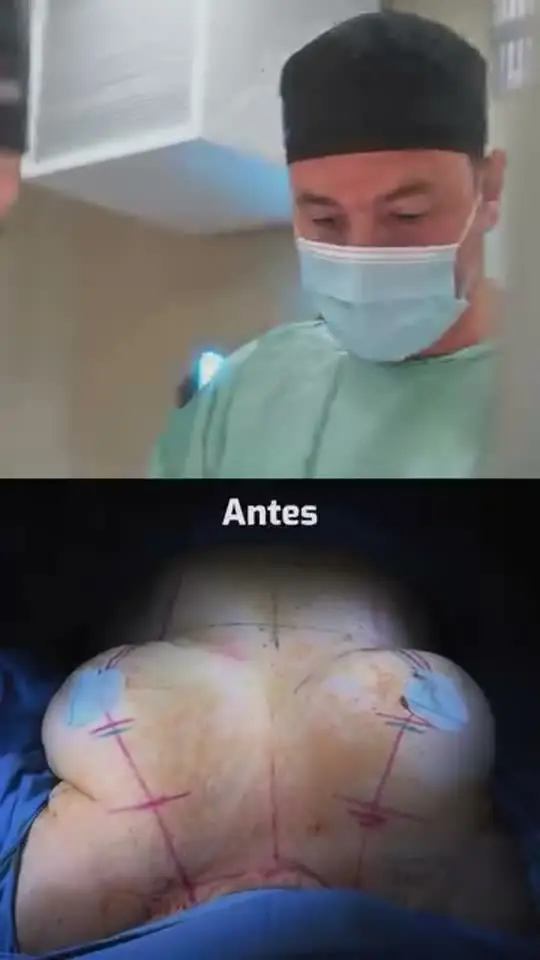
This patient wanted to improve the shape and firmness of her breasts: we performed a mastopexy with polyurethane implants. Their micro-foam surface acts as a natural anchor, integrates with the tissue and prevents displacement, which also reduces the need for future corrections.

Replacing an implant isn't just replacing volume: it's planning and thinking about what comes next. In this case we performed a capsulectomy and placed 365 cc B-Lite implants, which weigh 30% less thanks to air-microsphere technology, improving recovery and long-term stability.
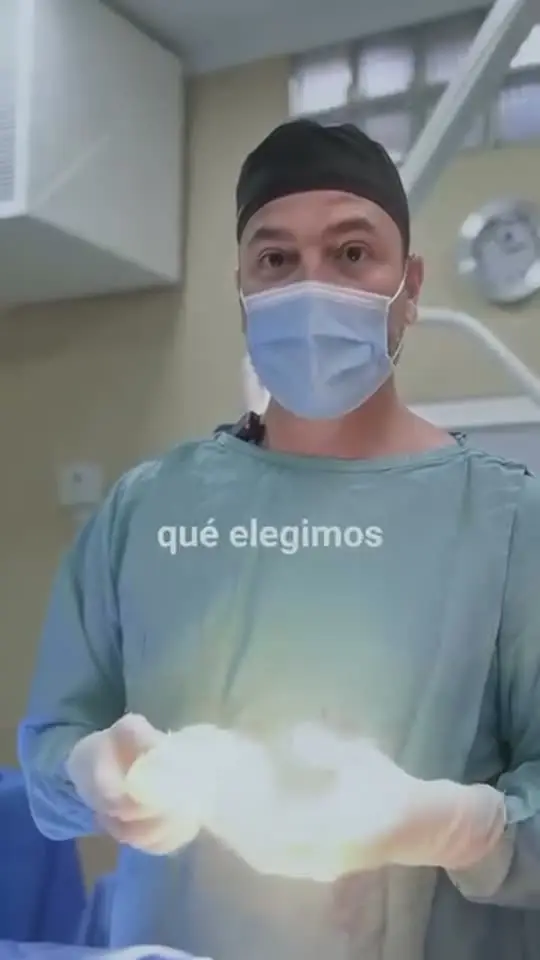
Polyurethane implants have an outer coating that improves adhesion to the tissues, provides more stability and reduces the risk of capsular contracture. They can be an excellent option in many cases, but like any surgical decision they are assessed according to the type of surgery and each patient's characteristics.
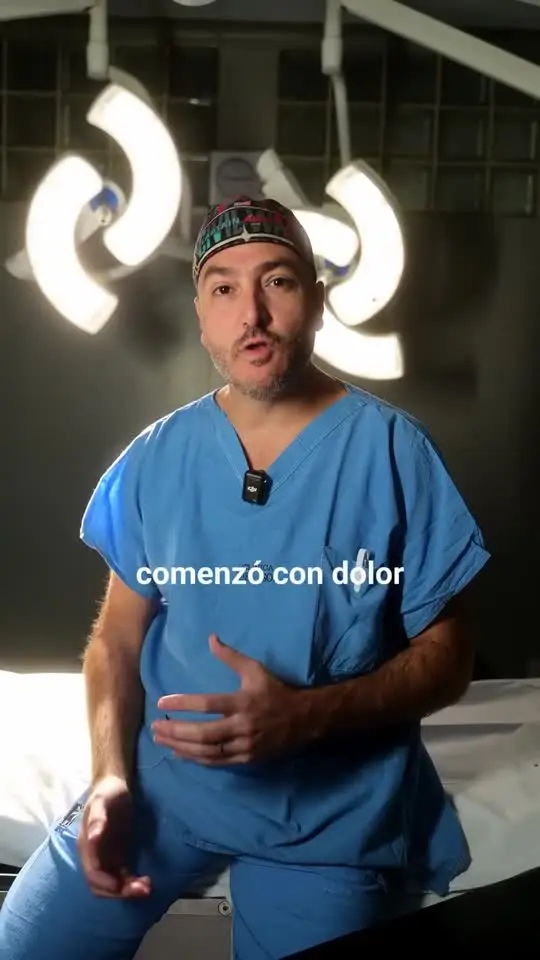
Capsular contracture can appear several years after having implants and show up as pain, discomfort or changes in shape. This case shows the importance of regular check-ups: reviewing in time lets us decide whether to keep, replace or remove them.


