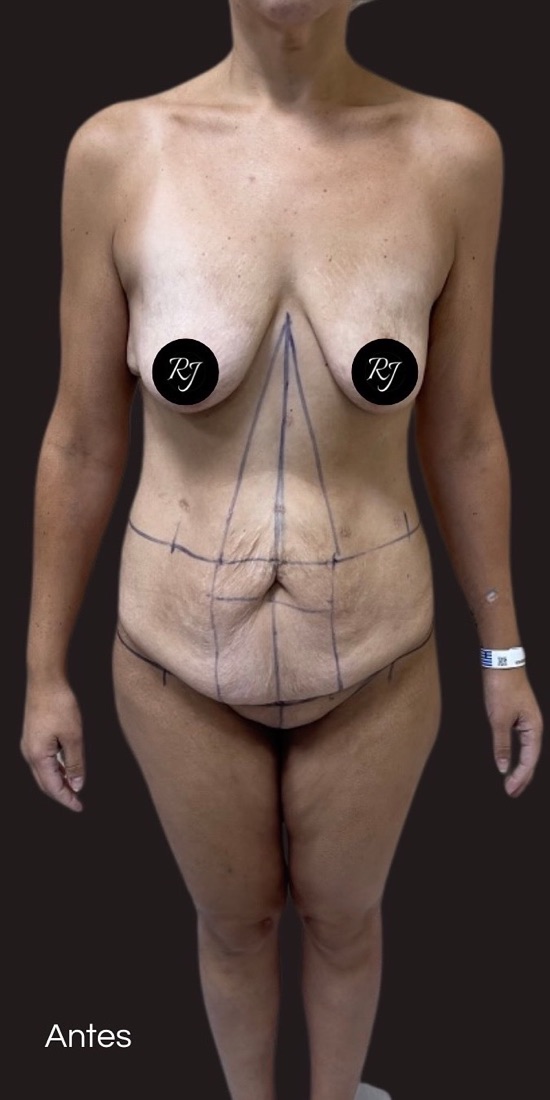
4 months post-op
53 kg lost after gastric bypass
360 dermolipectomy, rectus plication with muscle volumisation, gluteoplasty with implants and liposuction with Retraction technology. See on Instagram
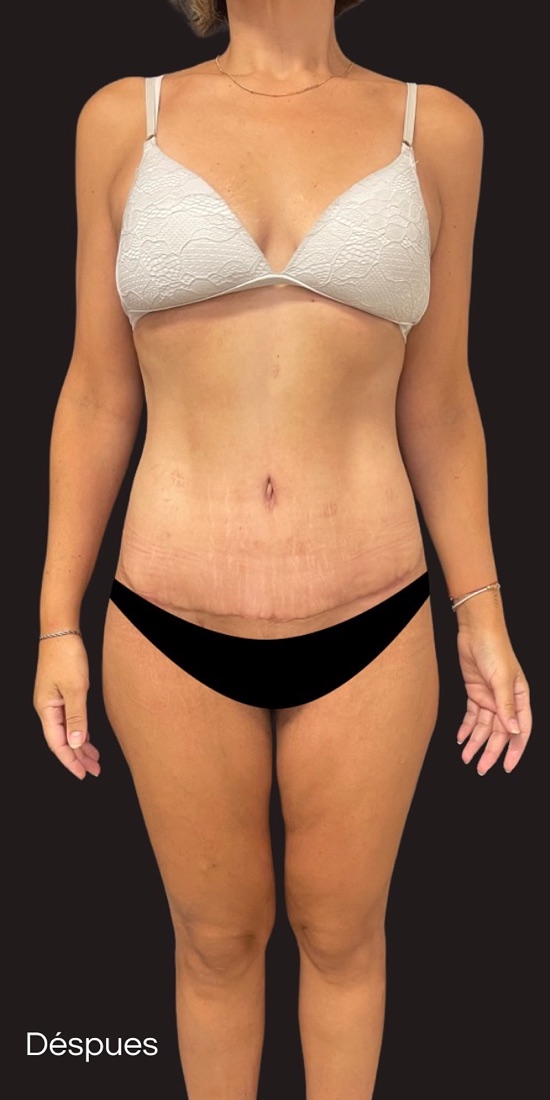 BeforeAfter

Plastic surgeon · Buenos Aires, Argentina · Lic. MN 122903
After significant weight loss, changes in the skin and in different areas of the body can remain, and they deserve attention too. In consultation I want to know your story, understand what bothers you and explain which options could be right for you.

Taking part in scientific forums and sharing experience with colleagues is also part of continuing to learn.
 Sociedad de Cirugía Plástica de Buenos Aires
 Sociedad Argentina de Cirugía Plástica, Estética y Reparadora
 Asociación Médica Argentina
 Federación Ibero Latinoamericana de Cirugía Plástica
 American Society of Plastic Surgeons
I'm Rodrigo Jorrat
I chose a specialty that demands thinking through every decision while staying very close to people. I like explaining what I see in a consultation, listening to what worries you, and working with clear expectations from the start.
I graduated in medicine from the Catholic University of Córdoba. I completed a full residency in general surgery and specialised in plastic, aesthetic and reconstructive surgery at Sanatorio Güemes (Buenos Aires), where I coordinated the burn team and the complex-wound clinic. I take part in conferences and publications in the specialty.
Post-bariatric surgery holds a special place in my practice. There is a family experience behind that choice and, over the years, I learned how much function and comfort matter, as much as appearance, after major weight loss. In the operating room I rely on preparation, well-defined roles and a coordinated team. Outside it, on being able to talk honestly with every patient.
A surgery starts being prepared long before entering the operating room. These are the points I keep in mind from the first consultation through recovery.
First I need to understand what worries you, your medical history and what you expect from surgery. That conversation is part of the medical evaluation too.
We review the possible options, their limits, the tests required and the risks. If an option isn't right for your case, I'll tell you.
Before operating we check the preparation, the equipment and the team's roles. If something is missing, we don't start. Technology is chosen for its clinical value, not for being new.
Recovery has its own timing and care. Check-ups let us follow progress and answer the questions that come up.
Every tissue and every patient evolves differently. That's why we talk about realistic expectations, scars, limitations and follow-up from the beginning.
Two people consulting about the same area don't always need the same surgery. The indication depends on history, skin, tissues, symptoms and what each patient is looking for. In consultation we review which options exist and what each one involves.


Illustrative images of the consultation and planning stage. They do not depict patients or results.
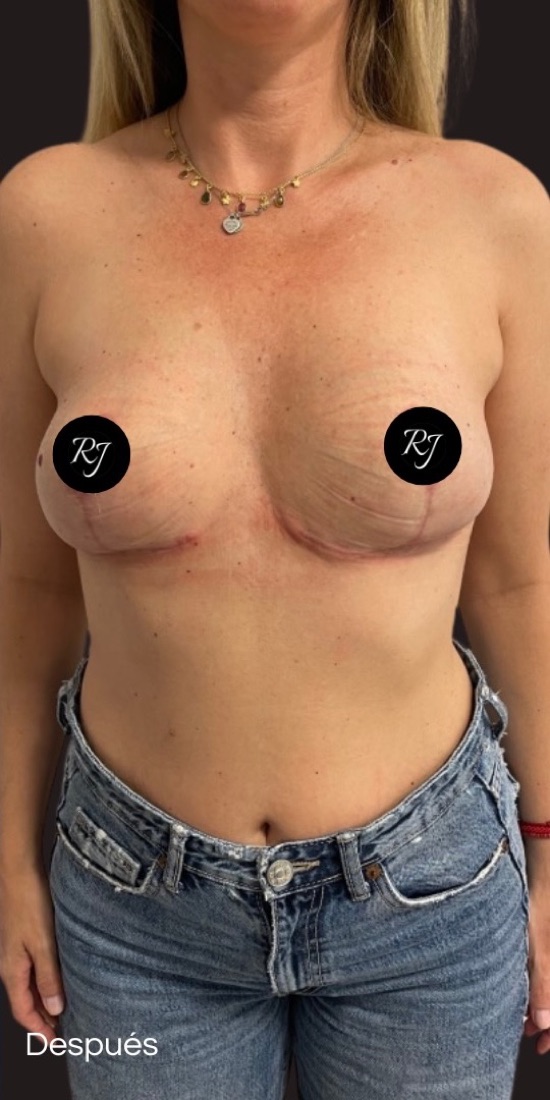
Patients I treated, published with their consent. Each image belongs to a person with their own history, needs and timing; that's why, besides the photo, I say what was done and at what point of follow-up it was taken. Drag the divider to compare.
360 dermolipectomy, rectus plication with muscle volumisation, gluteoplasty with implants and liposuction with Retraction technology. See on Instagram
BeforeAfter
With Retraction technology to support skin retraction on the abdomen and back. See on Instagram
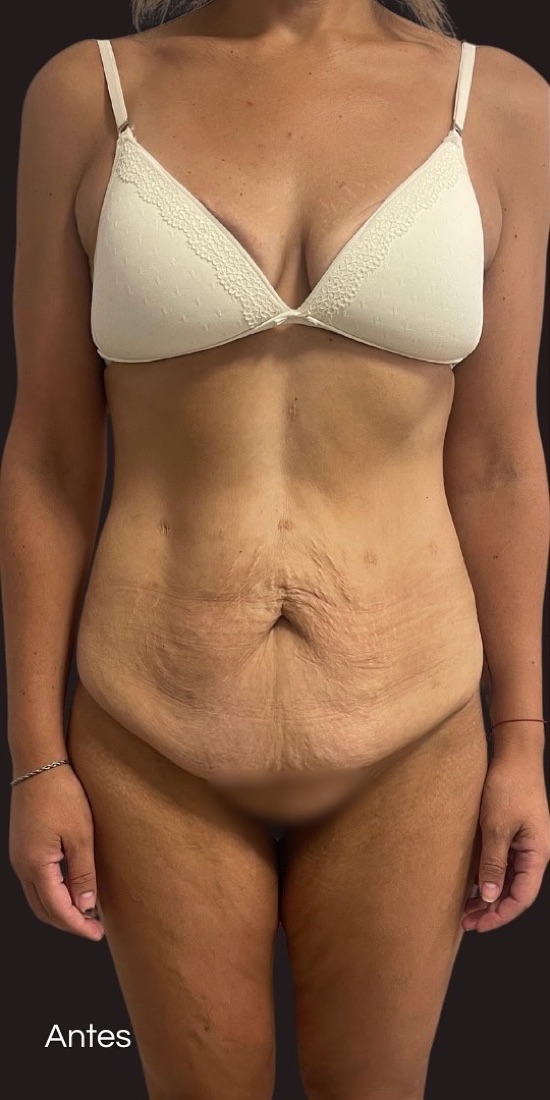
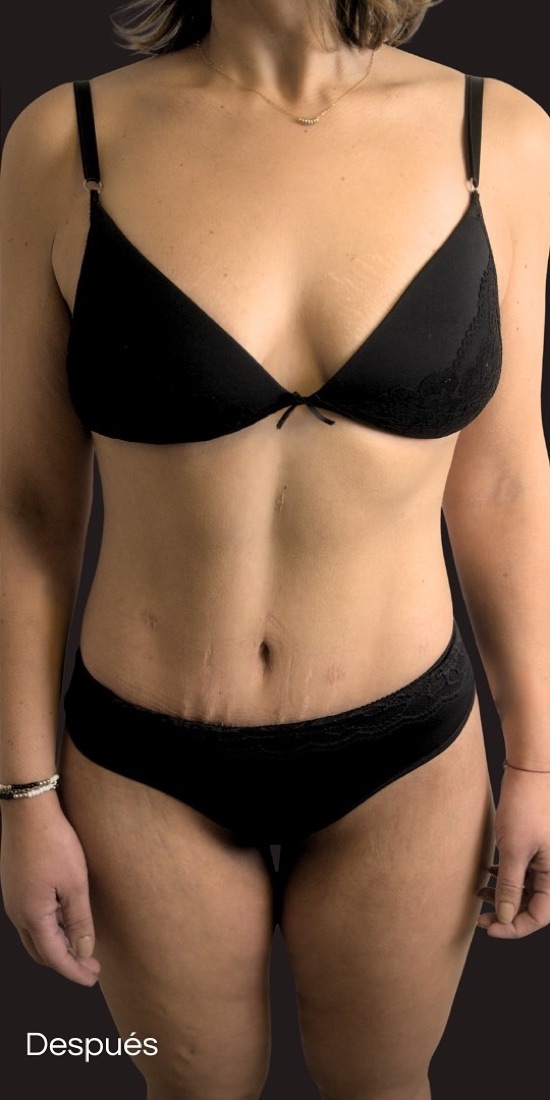 BeforeAfter
Liposuction, volumisation and Retraction technology in the same approach. Early evolution. See on Instagram
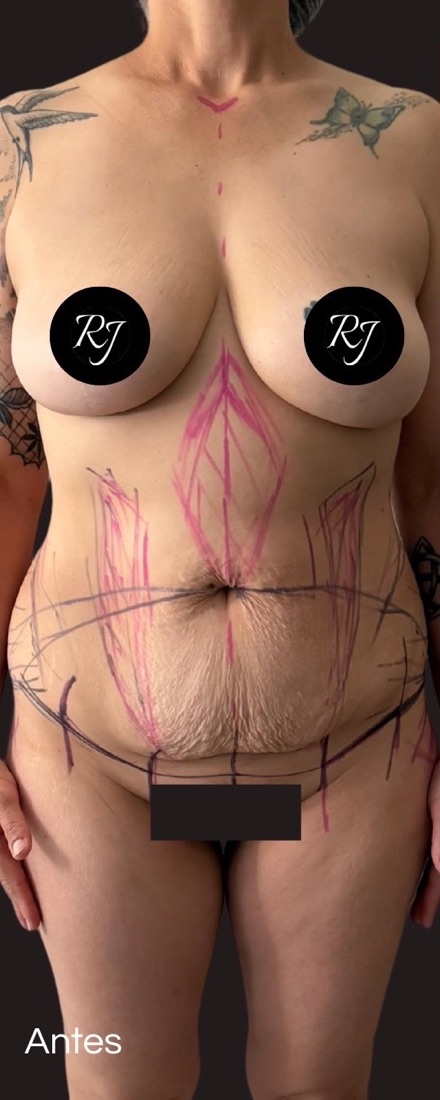
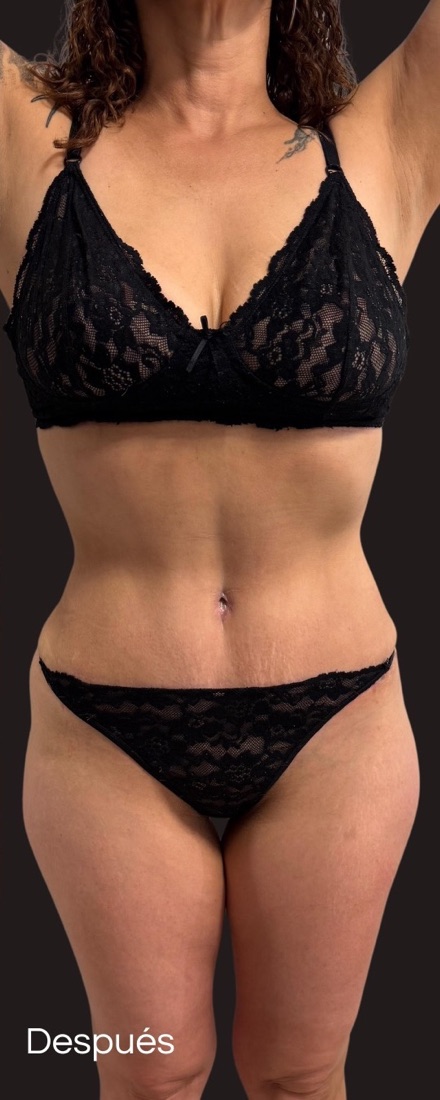 BeforeAfter
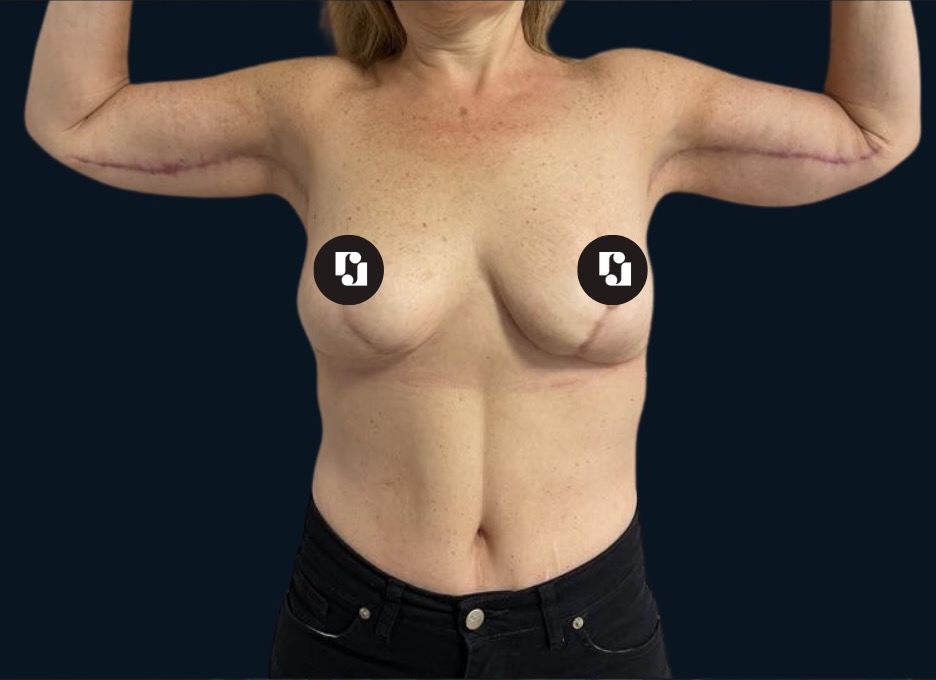
360 dermolipectomy and, in a second stage, mastopexy with dermal suspension, structured mastoplasty and brachioplasty. See on Instagram
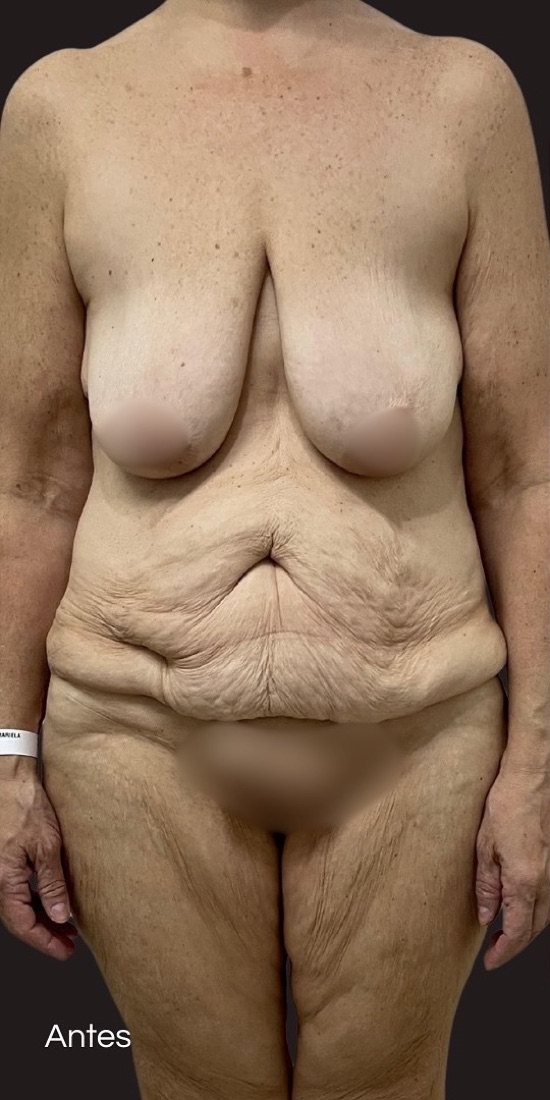
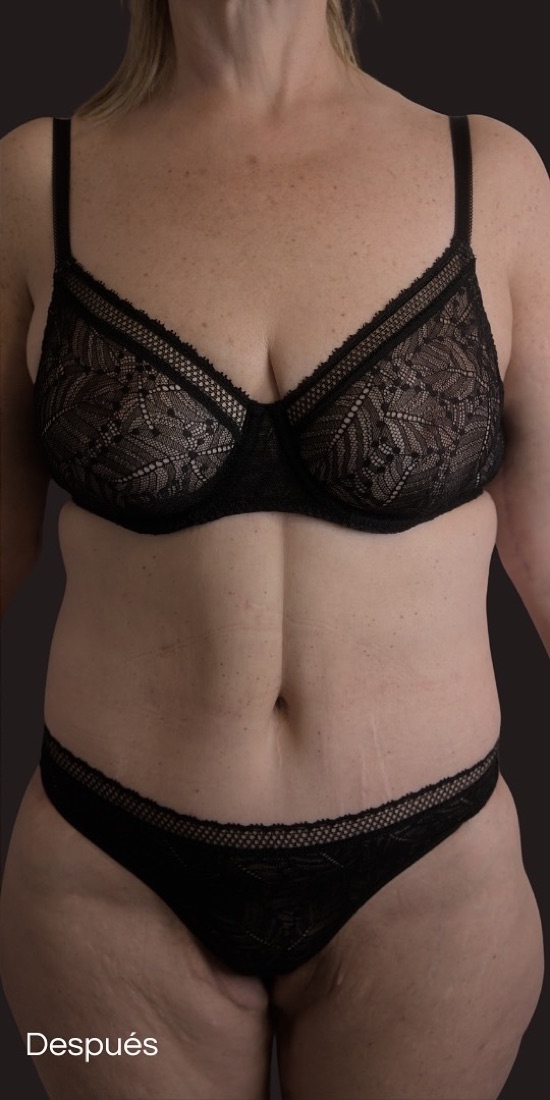 BeforeAfter
Surgery is planned in stages, prioritising the areas that cause the most discomfort. See on Instagram
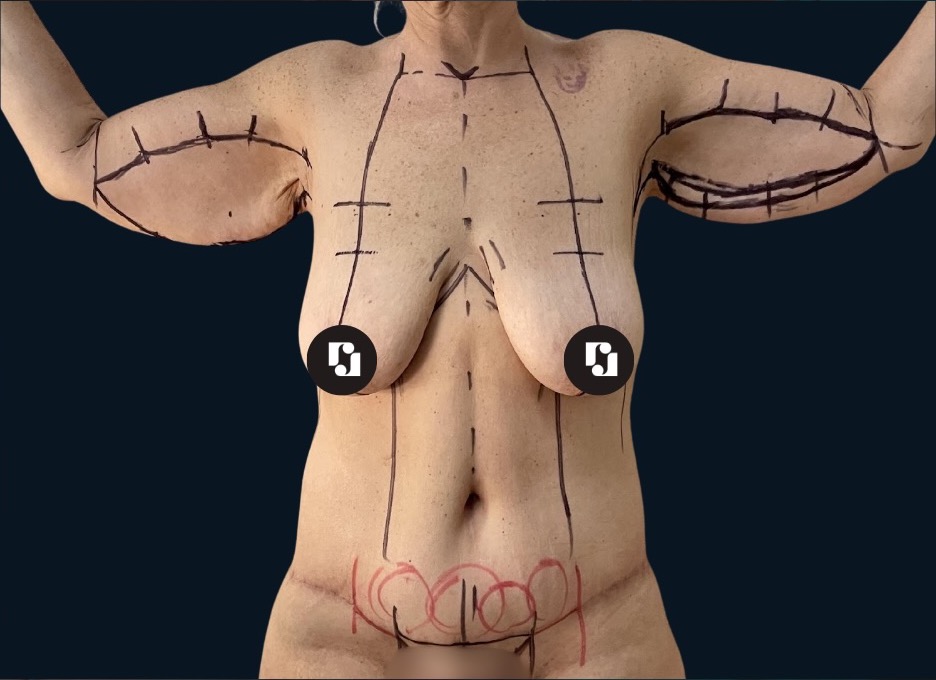
 BeforeAfter
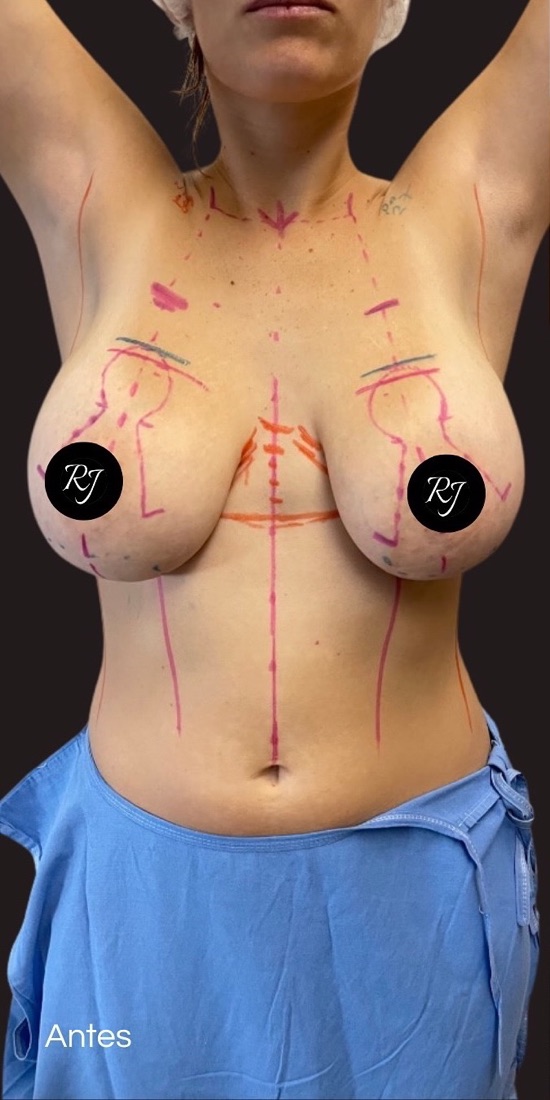
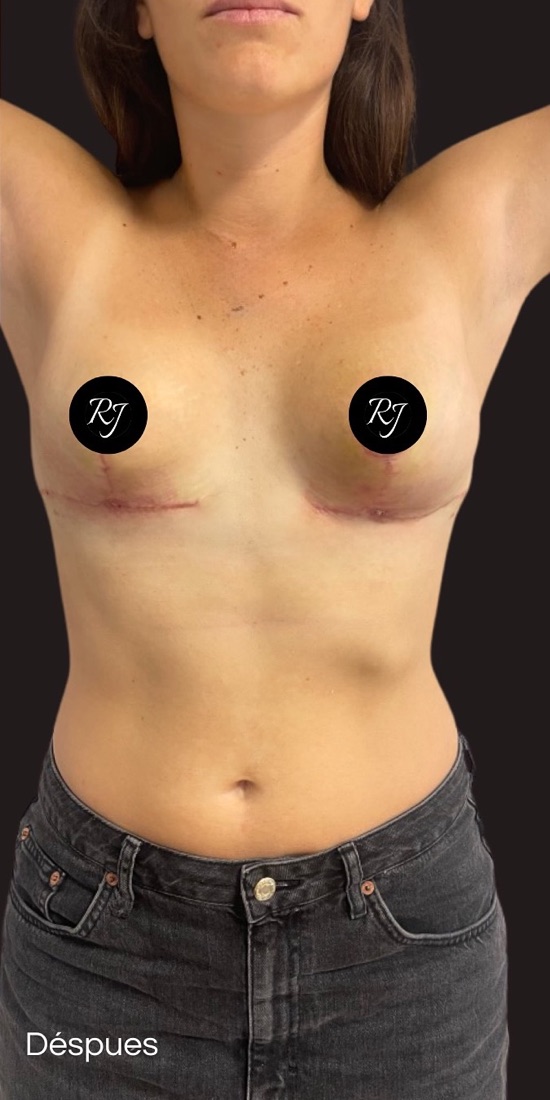
Relief of discomfort and improved posture, mobility and shape. See on Instagram
 BeforeAfter
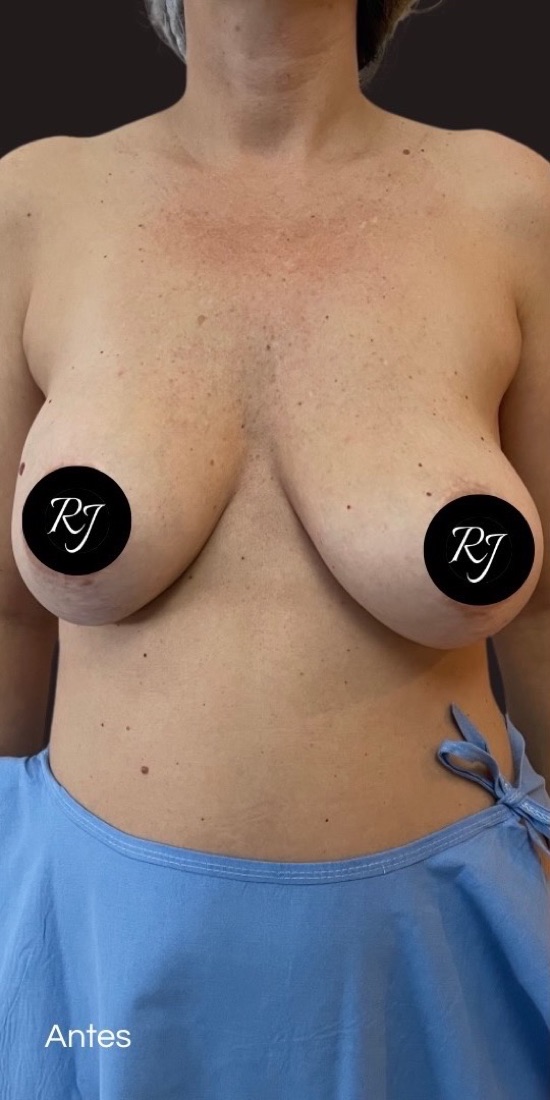
Implant removal and tissue reshaping in a single procedure. See on Instagram
 BeforeAfter
Images published with each patient's written consent. Results vary from person to person and are not a guarantee for other patients. All surgery involves risks, which we assess and discuss in consultation. Legal notice.
Every patient lives the process differently. These messages reflect personal experiences they shared with me, for which I'm very grateful. Translated from Spanish.
My doctor is the best! I chose him twice and he was always on top of my recovery. He changed my life 🫶🏻
Endless thanks, I'd choose you again without hesitation. The best decision I could have made ❤️❤️
I agree with those comments; in fact I told you so in the consultations. You're a wonderful team, with a tremendous leader like you. Congratulations @dr.rodrigojorrat!!! 👏👏👏👏
My first post-bariatric surgery with you, doctor, and it was a beautiful experience. So grateful to you and your team 🥳, excellent professionals 👏!!!!!
Some questions come up before surgery and others during recovery. In these articles I explain frequent topics in post-bariatric surgery and body contouring in plain language, without replacing an individual evaluation.
Frequently asked questions
General answers. What applies to your case is decided in consultation.
When your weight has been stable for a while, your nutritional status is adequate (haemoglobin, protein) and your bariatric and nutrition team agree. There's no number of months that applies to everyone; we confirm it in consultation with your tests.
Generally not. When several areas are involved, surgery is planned in stages to protect safety and recovery. I usually group breasts and arms on one side, and abdomen and legs on the other. The order is set by what bothers you most.
Every surgery that removes skin leaves a scar. Where it sits and how long it is depends on the technique and on how much skin has to be removed; how it evolves depends on each person. Treatments exist to improve them (silicone sheets, pressure therapy, laser) and we discuss it before operating.
No. Liposculpture reduces fat. Removing skin requires a dermolipectomy, which does leave a scar. It's the most common confusion in consultation, and it's worth clearing up beforehand.
We talk about your story, your medical history, the type of weight loss and what bothers you. I examine you, we assess skin and tissues, and I explain which options exist, what scar each one involves and in what order it makes sense. If you have recent tests or a report from your bariatric team, bring them.
Surgeries take place at Clínica del Sol and Sanatorio Güemes in Buenos Aires, Argentina, with hospital stay and a full surgical team. Consultations and check-ups are at the office at Agüero 2192, Buenos Aires.
Yes. We can start with a video consultation with your history and photos to assess whether it makes sense to travel, how many stages would be involved and how long you'd need to stay for check-ups before flying home.
Yes. After major weight loss men consult about the abdomen, arms and chest (sagging after gynaecomastia or volume loss). Indications and techniques are adapted to each case.
Those of any major surgery (bleeding, infection, thrombosis, healing problems), with some specific factors: weaker tissues and nutritional history. That's why patient selection, pre-operative tests and staged planning are part of the treatment. The specific risks of your case are explained in consultation and in the informed-consent process.
Results can hold up very well over time, and a large part of that is in your hands: a stable weight, physical activity and nutrition. That's why surgery doesn't end in the operating room: follow-up includes check-ups and support so you consolidate habits that protect your health and sustain the result. Tissues do change over the years and with pregnancies, which is why we choose stable techniques and talk about realistic expectations from the start.
On WhatsApp at +54 9 11 2248-0640 or by email at info@drjorrat.com.ar. We'll reply to arrange a day and time. For international patients, a video consultation first.
The consultation is where we review your history, listen to what you need and explain clearly which options could be appropriate, what their limits are and what the process would look like. International patients: write to me first and we can arrange a video consultation.
Book a consultation on WhatsApp